Only 364 Days Left
Reflections on Exhaustion, Kindness, and Homeless Kids in Madagascar

This morning, on my way somewhere, the taxi driver tried to cheer me up: “Just a few days left until the end of the year!” I got what he meant and replied, “Yes, only 364 days to go.” He laughed and said, “Exactly—no more 365!” We both chuckled. It sounded optimistic, but I couldn’t help thinking how exhausted we all are already. It’s only January 2nd, and we’re wishing the year away. How tiring must life be for him, hoping the days fly by just to rest at year’s end?
A new year often means new beginnings for people. Around me and on my social media feeds, folks are promising themselves fresh challenges—like reading a certain number of books or building new habits. I’m one of them. On December 31st, I decided to give my hair a new color, so when people saw me on January 1st, they’d see a different me. But honestly, I needed a change—not just in my appearance, but something to make me feel like the new year could bring real growth. Why not make it “new year, new me”?
If I look back on 2025, it was a year where I learned so much—about myself and the people around me. Through the folks I met, the events I witnessed, the books I read, and the countless movies and series I watched, I gained a deeper understanding of the world, especially humans.
Lessons from the Streets: Volunteering with Homeless Kids
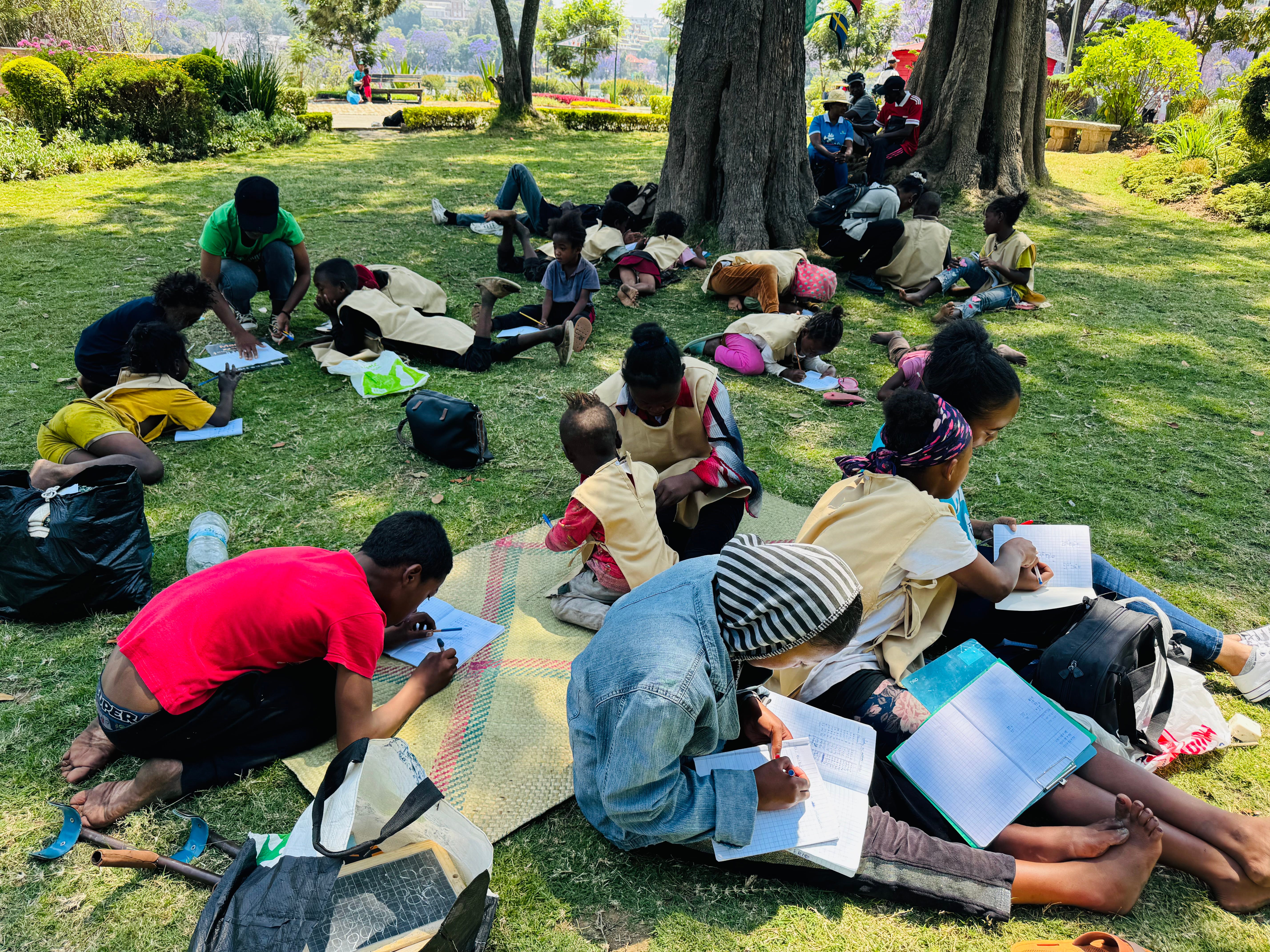
Like in previous years, I dedicated most of my Saturdays in 2025 to caring for homeless children. I’ve been volunteering with Teach Homeless Kids in Madagascar since 2017. It’s worth noting that most of these kids live on the streets 24 hours a day, seven days a week. Some have no parents, while others stay with older siblings, relatives, or friends. We teach them to read and write in Malagasy, along with basic math.
2025 was full of adventures for us. We started the year with new volunteers, and as always, we took the kids on a special day out to a restaurant and guesthouse in Ampitatafika. It’s their one big treat of the year: a shower, new clothes, and a bus ride from Anosy to Ampitatafika. The trip should take 30 minutes by car, but with traffic and a bus full of excited kids, it stretches to over two hours. Those two hours are pure chaos—they sing at the top of their lungs, screaming more than singing. The driver and his assistant aren’t fans, but it’s impossible to quiet them down.
One thing about these kids is their lack of patience and discipline. Even after being with some of them for more than five years, one day a week isn’t enough to change habits shaped by the streets. If we ask them to sit still and be quiet, they might comply for a few minutes before starting up again. As for me, I don’t get annoyed by the noise—I see it as their way of expressing happiness and gratitude. That’s something I’ve learned: these kids don’t always know how to show thanks in words. Some volunteers get offended, but you have to understand their world. They grow up in an environment of constant yelling, insults, and violence—words of love, affection, and gratitude aren’t part of their vocabulary. It takes time to build those habits.
I’m grateful these kids have shown me a world outside my own, teaching me to be more patient, understanding, and giving—without expecting anything in return. My hope is to see them grow into responsible adults, free from begging, reclaiming their dignity in society, and maybe even contributing to our country’s development. I volunteer because I can’t sleep easy knowing so many Malagasy kids lack basic rights like safety, education, health, and just the chance to feel alive. As I write this, memories flood back, but I’ll save the details for future articles to keep this one from getting too long.
In Ampitatafika, the kids performed plays, sang, recited poems, and danced—while others teased their friends on stage. Everyone got drinks, a one-course meal, and dessert. We gave them gifts like toys, clothes, and new sandals, since most go barefoot. With all the diseases lurking on the streets and their lack of access to hygiene—clean water, showers, or toilets—I’m amazed and thankful that most stayed healthy through the year. I guess their immune systems just adapt because they have no choice.


Facing Health Challenges
But speaking of health, one kid fell ill in 2025. I noticed a swelling on his right neck and took him to a specialist. We paid for blood work and a biopsy, and the results showed extrapulmonary tuberculosis. The doctor said he’d need six months of treatment at a specialized center in Fenoarivo, on the outskirts of Antananarivo. We talked to him about it, but he refused, saying he had no parents left. We realized he didn’t want to leave his friends, feared the treatment, and worried about the costs. He’s only 12 years old. When we explained he could die without it, he smiled—almost laughed—and said, “Then I’ll just die. We’re all going to die anyway.” His friends laughed too. As someone afraid of death, I was shocked, but mostly I felt sad that he has no hope for a better future. He lives day by day, without expecting health or joy while he’s alive.
How do you convince a child like that he deserves the same rights as any kid—to be healthy, enjoy childhood, and dream of tomorrow? Last year, our finances were tight, and with volunteers being busy students or professionals, we couldn’t make it happen. But he’s not forgotten—it’s our big challenge for 2026 to get him treated.
Many of our kids face diseases, but our NGO lacks funding to help everyone fairly. We struggle even with basic things like dentist visits for toothaches. And now, with Mpox (monkeypox) confirmed in Madagascar—five cases in Mahajanga and two in Toamasina—I’m worried. These kids live without hygiene, so they’re at high risk. How do we protect them, our volunteers, and their communities? It hits home that the most vulnerable always suffer first, potentially losing even their half-day of education a week. We’ll discuss it as a team and stay informed, but it’s a lot to think about. I love these kids and want them learning and healthy, without putting anyone at risk.
A Spark of Kindness
Enough with the tough stuff—one thing that filled my heart with gratitude in 2025 was kindness, especially from friends. A friend who runs a company making gluten-free cookies and pastries launched a donation drive for Teach Homeless Kids in November. They asked customers to contribute, and it was a success. They collected clothes for various age groups, including newborn items for our three teen mothers who’d just given birth. We distributed everything on December 27th, along with candies, cookies, and chocolates from earlier donations.
The kids were thrilled, though it took forever to get them lined up without chaos. One moment stood out: a teenage boy refused a perfectly good pair of jeans. At first, I thought he was ungrateful, but then it clicked. It’s not that he has nothing—he’s still a teen with tastes and preferences. He has the right to say no to something he doesn’t like. It was a great lesson in respecting their humanity.


Looking Ahead
I’m glad we ended 2025 by giving what we could to these kids. This year will test our resilience as a team and individuals—finding a proper classroom instead of a public park for better learning, securing funds, and tackling health issues. It won’t be easy, but we’re committed to helping these kids live a real childhood and access their rights.
A new year means new beginnings, and as I step into 2026, I’m reflecting on my own growth while doubling down on this work. Here’s to more patience, kindness, and hope—for all of us.
Happy New Year to all of you! May 2026 bring you unexpected joys, meaningful growth, and the kind of kindness that lights up even the toughest days—just like the kids have taught me.